Porcelain, Ceramic, Stone or Mosaic — What's the Difference?
Walk into a tile showroom and the choice can feel overwhelming: porcelain, ceramic, natural stone, oversized slabs, glistening mosaics. They can look similar on a display board, yet they behave very differently once they’re on your wall or floor — and the right pick depends almost entirely on where the tile is going. At our Unanderra showroom we curate ranges across all of these categories for Wollongong and Illawarra homes, so this guide breaks down the main types of tiles, how they compare, and where each one shines.
Porcelain — The All-Rounder
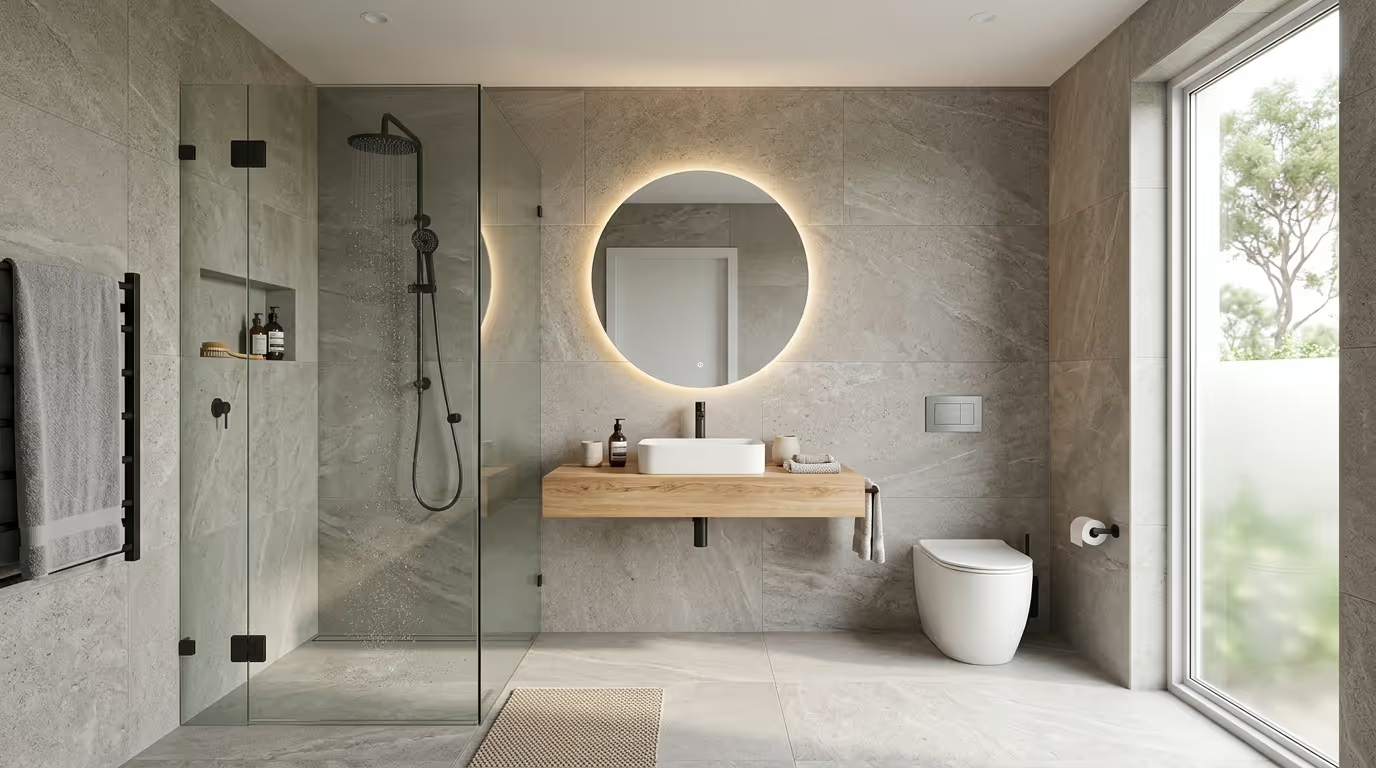
Porcelain is fired denser and harder than standard ceramic, so it absorbs almost no water (typically under 0.5%), resists scratches and stains, and copes effortlessly with the humid, salt-laden Illawarra air. That toughness makes it the default choice for floor tiles and wet areas.
Modern porcelain is also a chameleon — high-definition printing lets it convincingly mimic marble, concrete, timber and stone, so you get a premium look with minimal upkeep. “Rectified” porcelain (precision-cut edges) allows the thin, modern grout lines that suit contemporary bathrooms. If you want one material that does almost everything well, porcelain is it.
Ceramic — Value and Versatility on Walls
Ceramic is porcelain’s softer, more porous cousin. It’s lighter, easier to cut, and generally more affordable — but because it absorbs more water and chips more easily, it’s best kept to walls rather than floors or heavy wet zones.
That’s no limitation when it comes to style. Classic glazed subway tiles, colourful gloss wall tiles and decorative splashback patterns are typically ceramic, and they deliver timeless or playful looks at a friendly price point. For a feature wall behind a vanity or in a powder room, ceramic is hard to beat for value.
Natural Stone — Luxury With a Little Upkeep
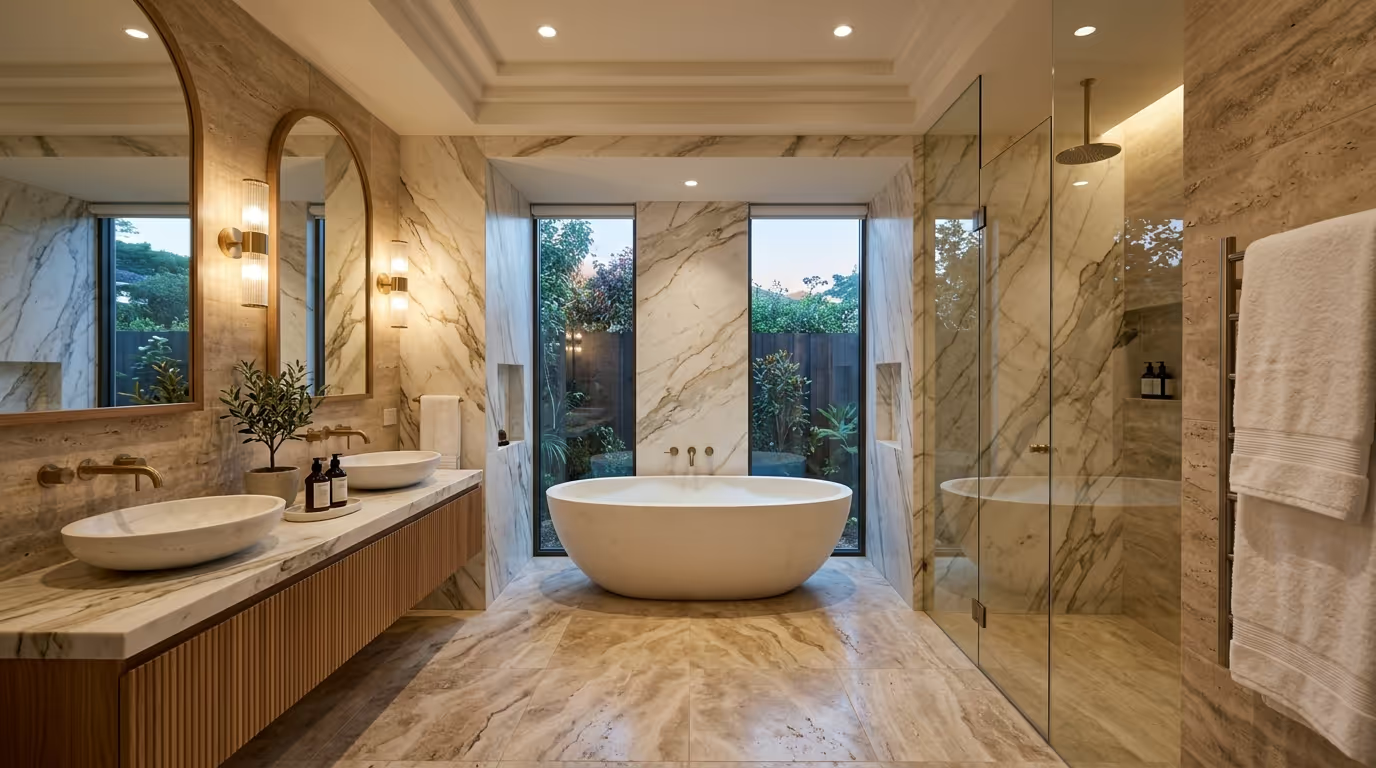
Nothing quite matches the depth and character of real natural stone — marble, travertine, limestone and granite each carry unique veining and tone. It’s the premium, one-of-a-kind option, and in a honed or tumbled finish it can grip well underfoot.
The trade-off is maintenance. Stone is porous, so it must be sealed on installation and periodically resealed to resist water and staining — especially important in a coastal climate. If you love the look but want lower upkeep, a stone-look porcelain delivers a similar aesthetic with far less fuss. For those who choose the real thing, our guide to cleaning and maintaining natural stone will help it last.
Large-Format Slabs & Panels — The Seamless Statement
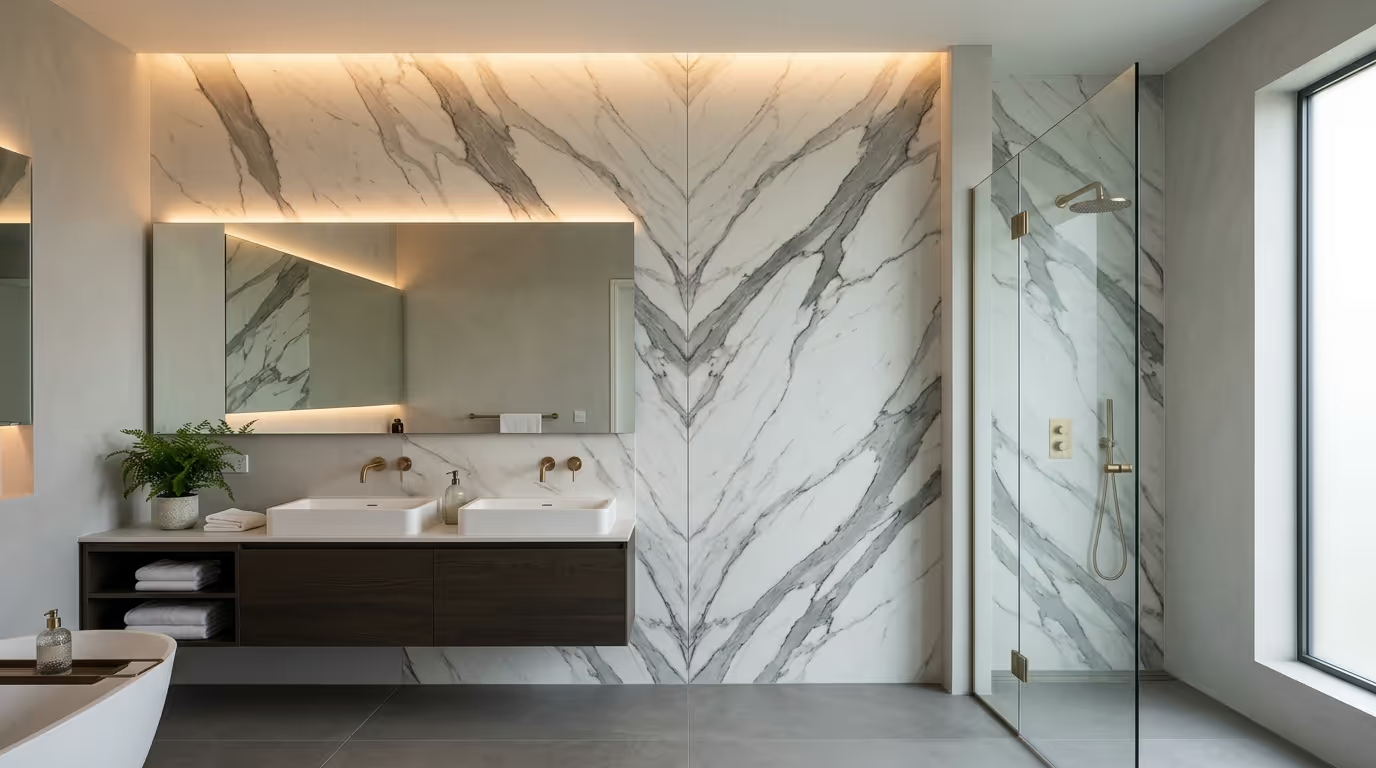
At the top end of the format scale are large porcelain slabs and extra-large panels — single sheets that can clad an entire wall, vanity top or shower surround with barely a grout line in sight. They often reproduce dramatic bookmatched marble patterns, giving a high-end, continuous look that smaller tiles can’t.
Because they minimise joins, big formats also make compact rooms feel larger and are quicker to keep clean — the same principle we cover in our guide to large format tiles in small bathrooms. They demand a flat substrate and skilled installation, but the payoff is a genuinely seamless, architectural finish.
Mosaics — Texture, Grip and Feature Detail
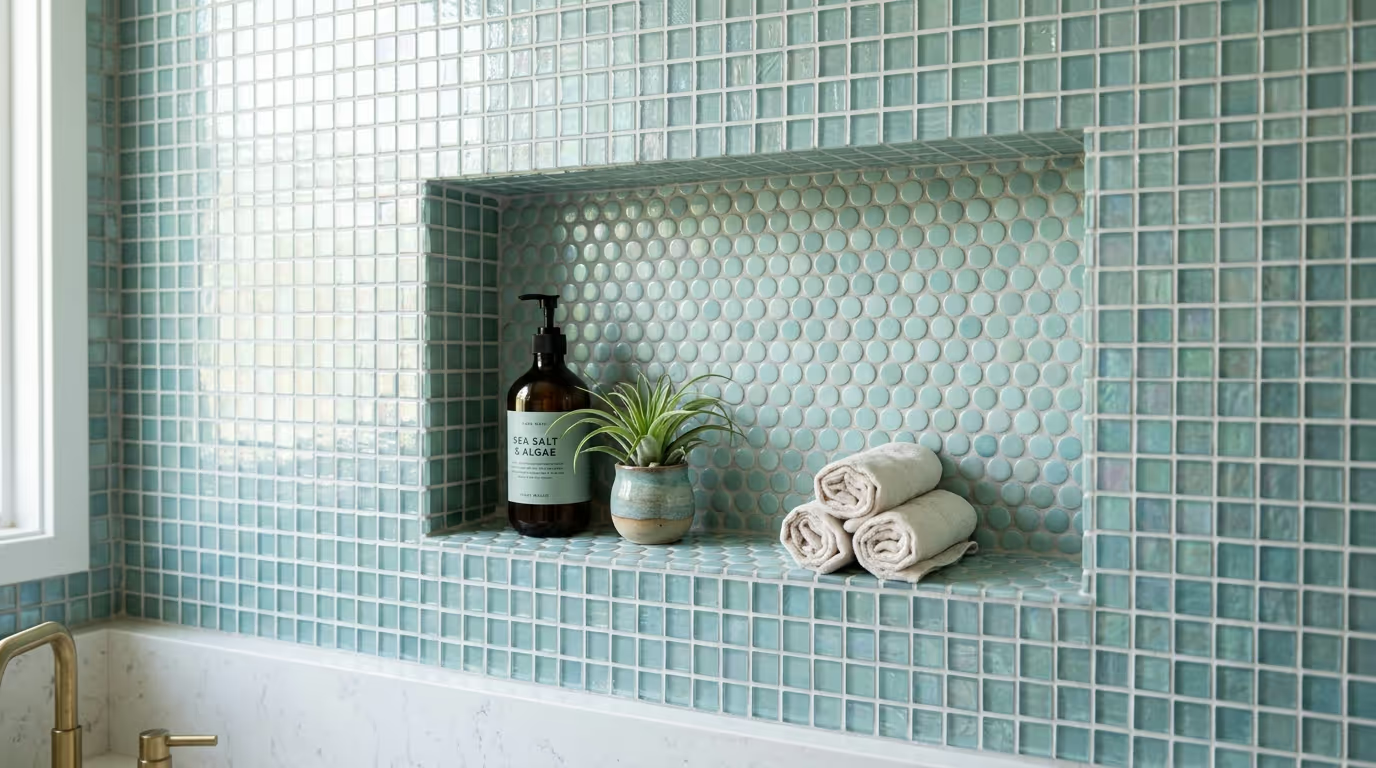
At the opposite end sit mosaics — tiny tiles, made of glass, stone or porcelain, mounted on sheets. Glass mosaics catch the light beautifully on feature walls and pool surrounds, while finger, penny-round, fish-scale and hexagon shapes add tactile character.
Mosaics also have a practical superpower: all those grout lines provide grip, and the small pieces flex around the gentle fall of a shower base. That’s why they’re a favourite for shower floors, where safe drainage matters. Use them as an accent or across a whole wet area for a designer touch.
Indoor–Outdoor Pavers — Extending the Space
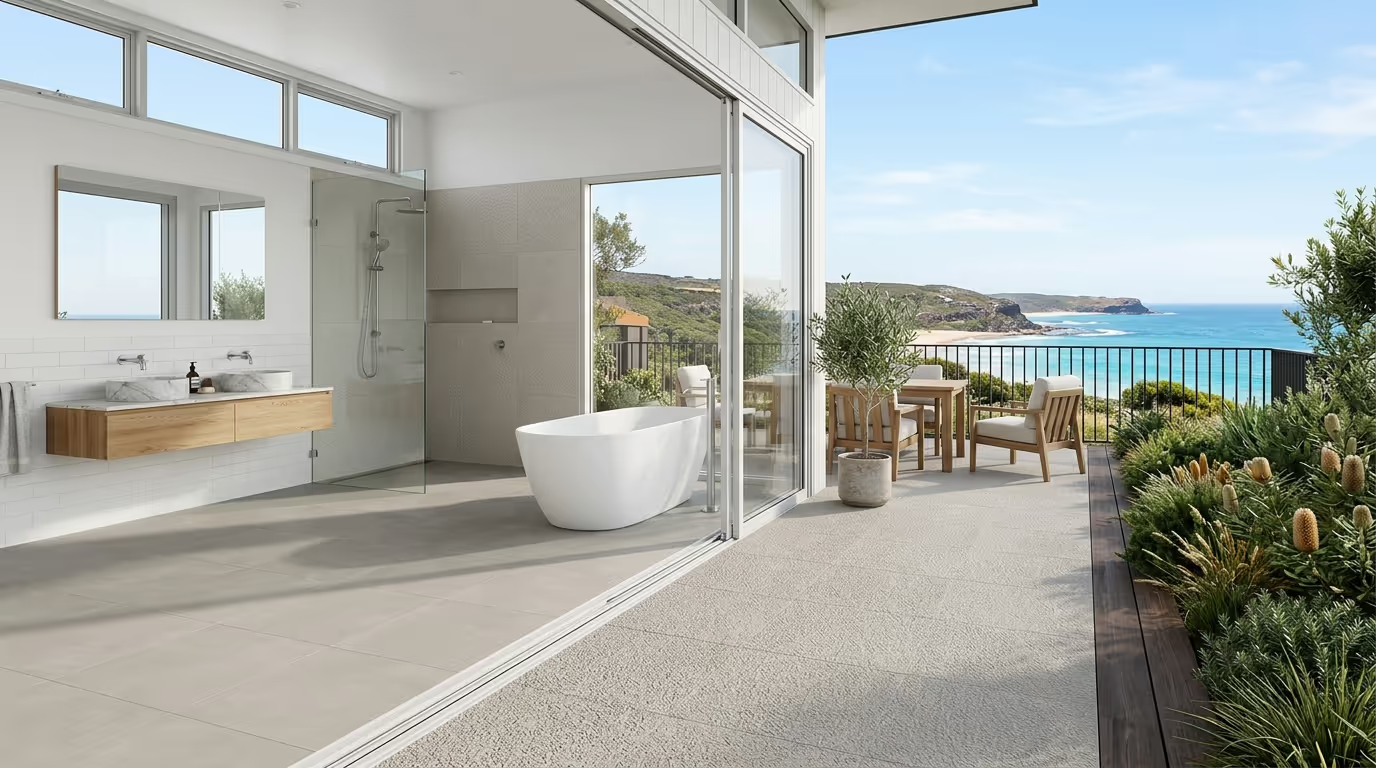
A growing category for Illawarra living is the indoor–outdoor tile: matching ranges offered in a smooth internal finish and a textured, slip-resistant external version (often rated to P5). Run the smooth finish through your bathroom or living area and the grip finish onto the adjoining deck or alfresco, and the two spaces read as one continuous floor.
Thick 20mm porcelain pavers handle outdoor traffic, weather and fading without missing a beat. For homes that blur the line between inside and out, this seamless flow-through look is one of the most popular ways to make a space feel bigger and more resort-like.
Which Tile Is Right for You?
There’s no single “best” tile — only the best tile for each job:
- Floors & wet areas: slip-rated porcelain, or mosaics on the shower base for grip.
- Walls & splashbacks: ceramic subway or gloss tiles for value and style.
- Statement luxury: natural stone, or large-format slabs for a seamless look.
- Feature accents: glass or stone mosaics.
- Indoor-to-outdoor flow: matching In/Out porcelain pavers.
Always check the slip rating for any floor, plan for proper waterproofing beneath the tiles, and budget for sealing if you choose natural stone. The easiest way to decide is to see and feel the options side by side — visit our Wollongong showroom, where our team can match the right tile to every surface in your Illawarra renovation. For inspiration on what’s current, browse our 2026 tiling trends guide.