Tile Adhesives & Grout for Wollongong & Illawarra Bathrooms
The tiles have got bigger and heavier, and the products that hold them on the wall have had to keep up. A 600×1200 porcelain slab or a slab of natural stone puts far more load — and far more movement — through the bond than the small mosaics of a generation ago, and the wrong adhesive or a brittle grout is where bathroom tiling jobs across the Illawarra come unstuck. This is the bonding-and-jointing corner of our Bathroom Renovation Supplies range: the flexible S1 adhesives, the coloured cement grouts and the epoxy grouts that turn a stack of tiles into a wall and floor that stays put and stays clean. We stock the systems Wollongong tilers actually trust — Ardex, Mapei, Bostik and Laticrete — and match the bond and the grout to the tile, the substrate and the room. Below we explain how to choose, then run through the products we keep on the shelf.
Choosing an Adhesive (C2/S1) and Cement vs Epoxy Grout
Two decisions govern a lasting tile job. The first is the adhesive: modern standards (AS ISO 13007) grade cement-based adhesives by strength and flexibility, so a C2 bond (improved adhesion) with an S1 rating (deformable) can flex slightly with the substrate instead of cracking under it — exactly what a large-format porcelain tile over a timber floor or a heated screed needs. Match the adhesive to the tile too: dense, uncalibrated natural stone often wants a rapid-drying bed so moisture doesn’t stain the stone, while big wall tiles want high grab and non-slump so nothing slides overnight. The second decision is the grout. A polymer-modified cement grout is easy to work, comes in dozens of colours and now carries mould-resistant, water-repellent additives — ideal for most bathroom joints. An epoxy grout costs more and is fussier to install, but it’s stainproof, never needs sealing and shrugs off the harsh cleaners a shower recess sees — the choice for heavy-use wet areas and coloured joints you want to stay uniform. Getting the bond and joint right is only half a watertight bathroom; pair them with the Waterproofing Systems that go under the tile and the Silicones & Sealants that finish the internal corners. For planning the tiles themselves, see our guides to large-format tiles in small bathrooms and keeping your grout looking new.
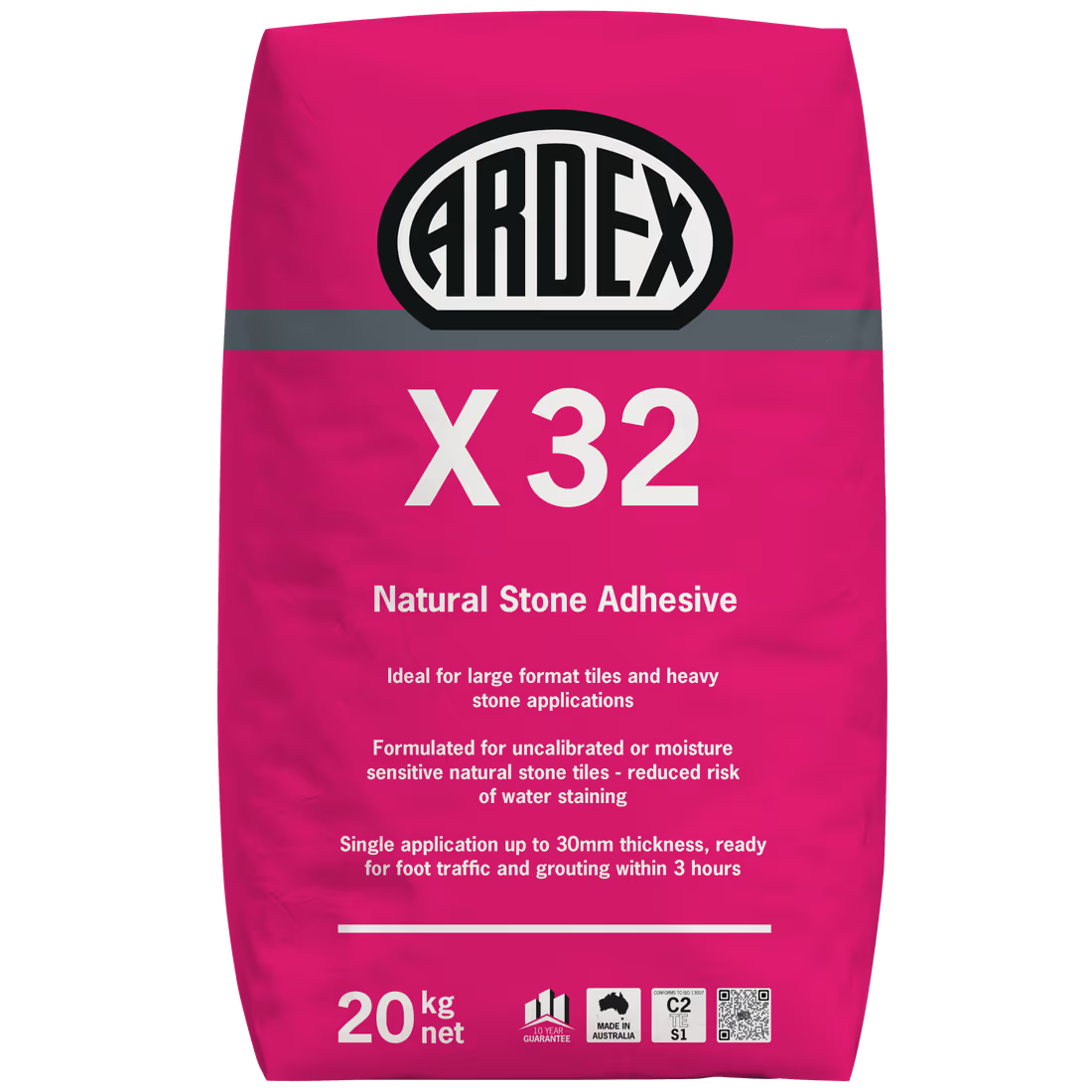
ARDEX X 32 — Rapid-Set Stone & Tile Adhesive
ARDEX X 32 is the bond to reach for when you’re laying natural stone. It’s a rapid-hardening, rapid-drying cement-based adhesive, and that fast drying is the whole point: the bed loses its moisture quickly, so it won’t wick up and stain moisture-sensitive marble, limestone or travertine the way a slow-drying adhesive can. It handles uncalibrated stone thanks to a generous 3–30 mm bed thickness, and it isn’t fussy about the tile — fully vitrified porcelain, ceramics, terrazzo, and glass and porcelain mosaics all bond to it, inside or out. On site you get a 60-minute pot life and a 30-minute open time to work, and because it’s rapid-set you can grout after about 3 hours rather than waiting overnight. A 20 kg bag covers roughly 5.5 m², and it’s supplied in an off-white shade that keeps light-coloured stone reading true.
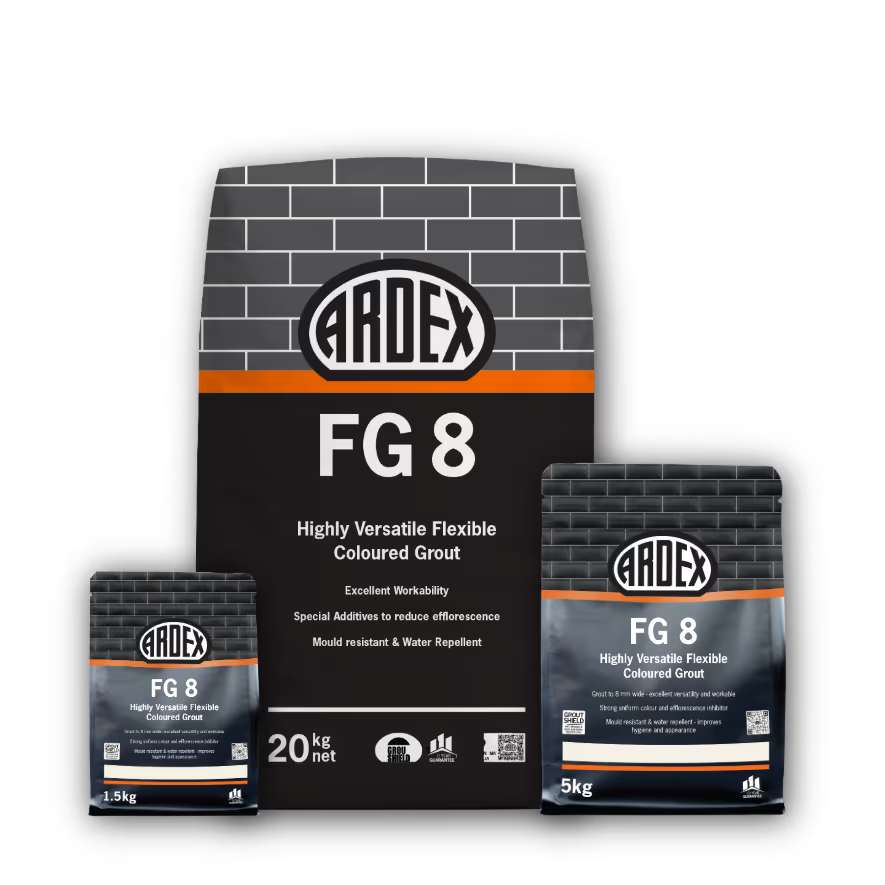
ARDEX FG 8 — Flexible Coloured Cement Grout
ARDEX FG 8 is the everyday bathroom grout — a smooth, flexible cement-based grout with improved colour integrity, so joints cure to an even shade instead of the patchy, blotchy finish that plagues cheaper cement grouts. Its flexibility matters in a bathroom, where floors flex and shower bases move: a rigid grout cracks at the joint edges, while FG 8 tolerates the small movement. It suits tile joints 1–8 mm wide, which covers the vast majority of wall and floor work, and comes in a wide colour range (see the ARDEX FG 8 Grout Colour Selector) so you can match or contrast the tile. Pack sizes run 1.5 kg, 5 kg and 20 kg to suit a single shower or a whole house — note a few designer shades come in 5 kg only. For pool and full-immersion work it’s mixed with ARDEX Grout Booster, but for a standard Illawarra bathroom it’s ready to trowel straight up.
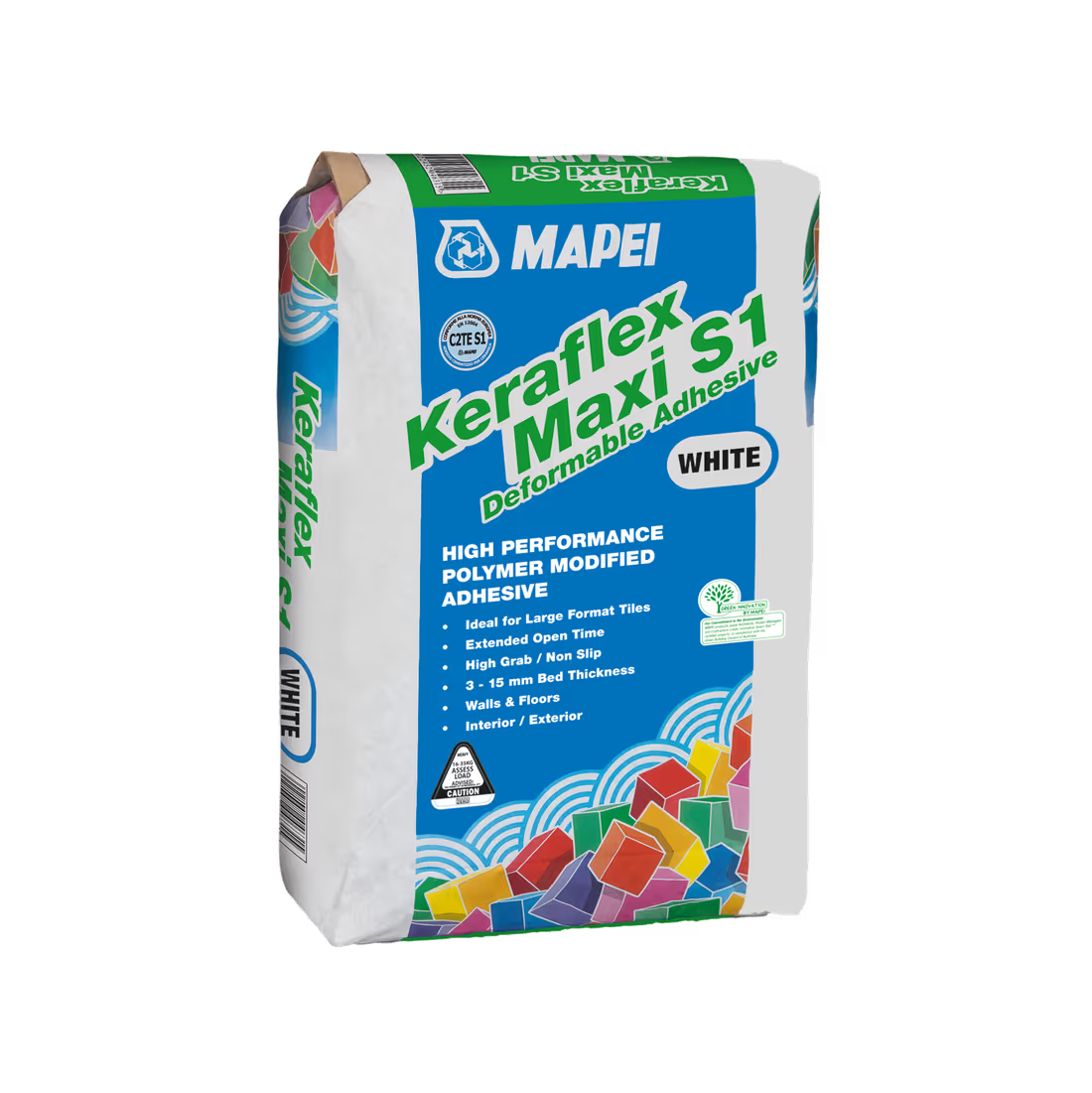
Mapei Keraflex Maxi S1 — Deformable Large-Format Adhesive
Keraflex Maxi S1 is Mapei’s answer to the big-tile problem, and its classification tells the story: C2TE S1. The C2 means improved adhesion, the E means extended open time, the T means non-slip — and the S1 means it’s deformable, able to flex with the substrate instead of transmitting stress straight into a large porcelain tile. That combination is exactly what a 600×1200 slab wants over a screed or heated floor. As a “Maxi” adhesive it builds a thicker bed — 3–15 mm — so you can true up the small deviations that big tiles ruthlessly expose without the tile floating or sliding. The extended open time gives you room to lay a run before the adhesive skins over, and the high grab and non-slip performance keep heavy wall tiles put while the bed cures. It works walls and floors, interior and exterior, making it a genuine one-bag answer for a large-format Wollongong bathroom.
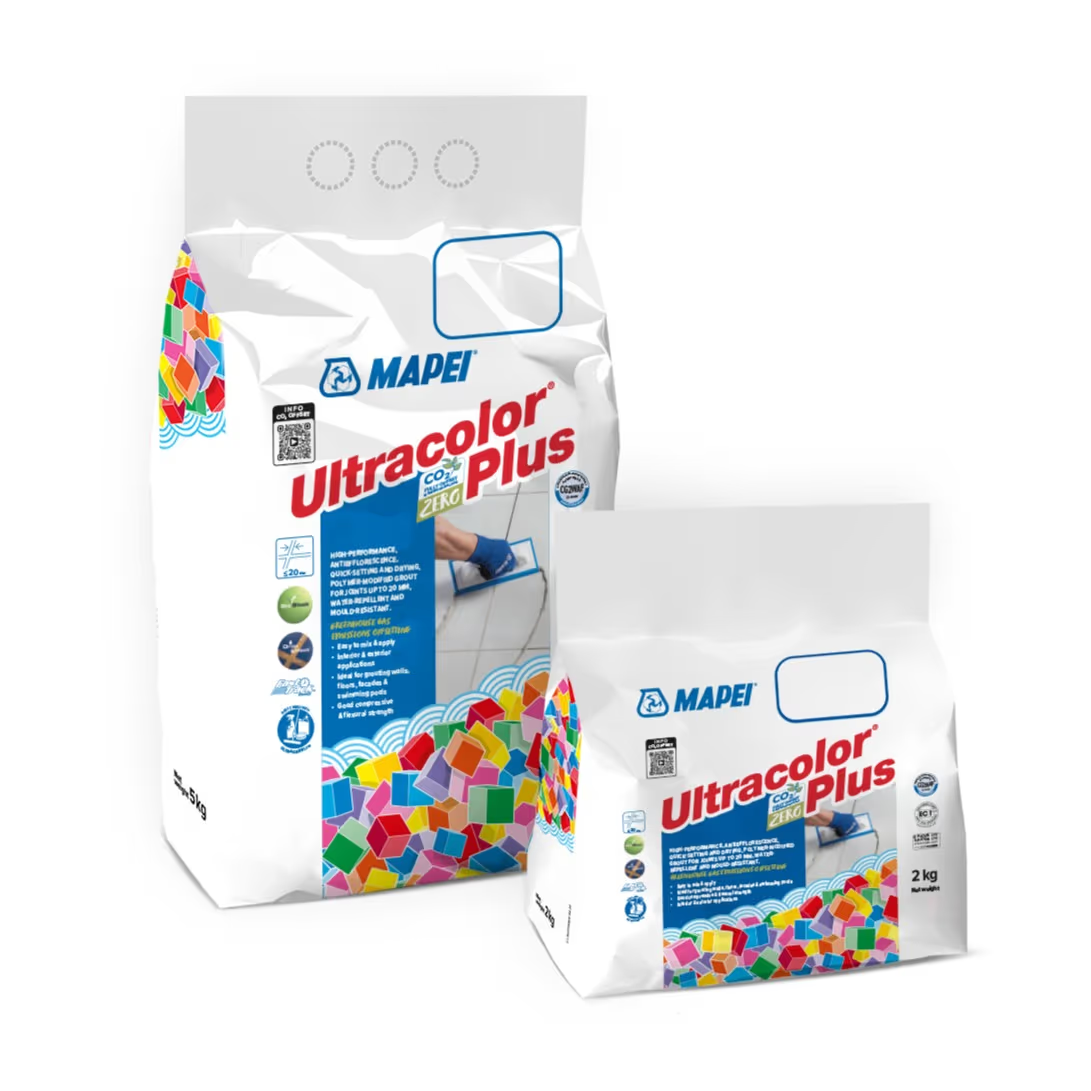
Mapei Ultracolor Plus — Quick-Set Mould-Resistant Grout
Ultracolor Plus is a high-performance cement grout that does the work of several products at once. It’s classified CG2 WA — an improved grout with reduced water absorption — and carries three of Mapei’s signature technologies: DropEffect makes the joint water-repellent so it beads rather than soaks, BioBlock actively resists the mould and mildew that colonise shower grout, and an anti-efflorescence formula stops the chalky white bloom that spoils dark joints. It’s quick-setting and quick-drying, so a bathroom can be back in service sooner, and it grouts a wide joint width up to 20 mm, spanning fine wall joints through to wide floor and feature work. The colour range is broad and, usefully, matched to the Mapesil AC silicone range — so the grout line and the sealed internal corners finish in exactly the same shade. A strong all-rounder for the mould-prone reality of a coastal Illawarra bathroom.
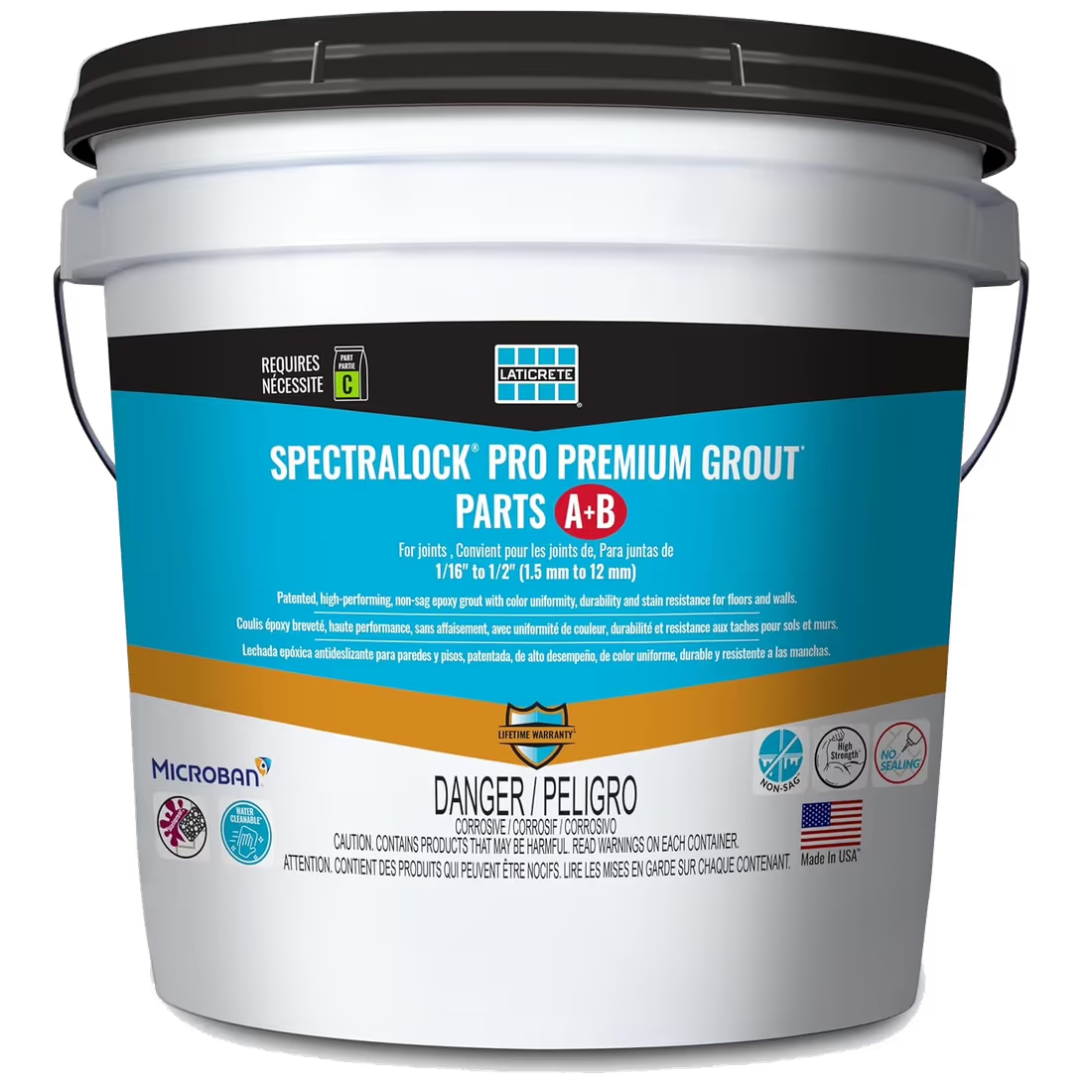
Laticrete SPECTRALOCK PRO — Premium Epoxy Grout
When a joint has to look immaculate and stay that way, SPECTRALOCK PRO is the step up to epoxy. It’s a patented three-part epoxy grout (Parts A + B + C colour powder) that’s stainproof in residential installations against common household cleaners and liquids, and — unlike cement grout — it never needs sealing and cleans back to its original colour year after year. Its improved non-sag formula holds on walls as readily as floors, and cures to a uniform colour with no blotchiness or shading, which is why designers specify it for coloured joints that must stay consistent. It suits grout joints from 1.5 mm to 12 mm, carries Microban antimicrobial protection against surface mould, and meets AS ISO 13007-3, with roughly 80 minutes working time at 21°C. Tough, crack-resistant and built for showers, wet rooms and re-grouting tired joints, it’s the premium grout for an Illawarra bathroom that has to perform for the long haul.
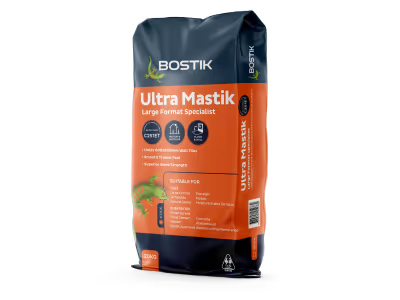
Bostik Ultra Mastik — Large-Format Wall Adhesive
Bostik Ultra Mastik is a premium cementitious adhesive built around one demanding job: holding big, heavy tiles on a wall without slump. Classified C2 S1 E T — improved, deformable, extended open time and slip-resistant — it’s rated to hold a 600×600 mm wall tile, so the tile stays exactly where you set it while the bed cures rather than creeping down the wall overnight. The S1 deformability lets it flex with the substrate, and it bonds to the substrates a bathroom throws at it: concrete, render, green screed, fibre cement, plasterboard and approved Bostik waterproofing membranes. It’s a white powder that keeps light-coloured and translucent tiles reading true, trowels to a smooth feel, and carries a pot life of around 3 hours with an open time over 30 minutes. Rated for commercial and high-traffic work — and suitable for immersion when half the mix water is swapped for Bostik Megalastic — it’s a dependable large-format bond for Illawarra bathroom walls and floors.
Match the System to Your Tiles
A tile finish is only as good as the products behind it, and they work as a system: a deformable S1 adhesive matched to your tile and substrate, then a cement or epoxy grout matched to how hard the joint will be used. For most Wollongong bathrooms a flexible cement adhesive and a mould-resistant cement grout is the sweet spot; step up to epoxy grout where the joints face constant water and harsh cleaning. Whatever goes on top, the bond and the joint are the last line — behind them, get the Waterproofing Systems right under the tile and finish the internal corners and wet edges with the correct Silicones & Sealants, because grout belongs in flat joints and silicone belongs in the corners. Serving trade tilers and renovators across Wollongong, Unanderra and the wider Illawarra and South Coast — bring your tile size and substrate into the showroom and we’ll spec the exact adhesive and grout for the job.