Can You Restore an Existing Bath?
When a bath starts to look tired — dull, stained, chipped, or that dated 1980s almond colour — plenty of Wollongong and Illawarra homeowners ask the same thing: can I restore the bath I already have instead of ripping it out? The short answer is yes, an existing bath can often be resurfaced, reglazed or spot-repaired. But “can you” and “should you” are two different questions, and the honest answer depends on the condition of the bath, where it lives, and how long you need the result to last.
This guide explains how bath restoration actually works, what it can and can’t fix, and how to get the most out of a restored bath. To be clear from the outset: this is an informational guide — bath resurfacing and reglazing is not a service we offer at Just Bathrooms. We’re setting out the facts so you can make the right call for your bathroom.
How Bath Resurfacing & Reglazing Works
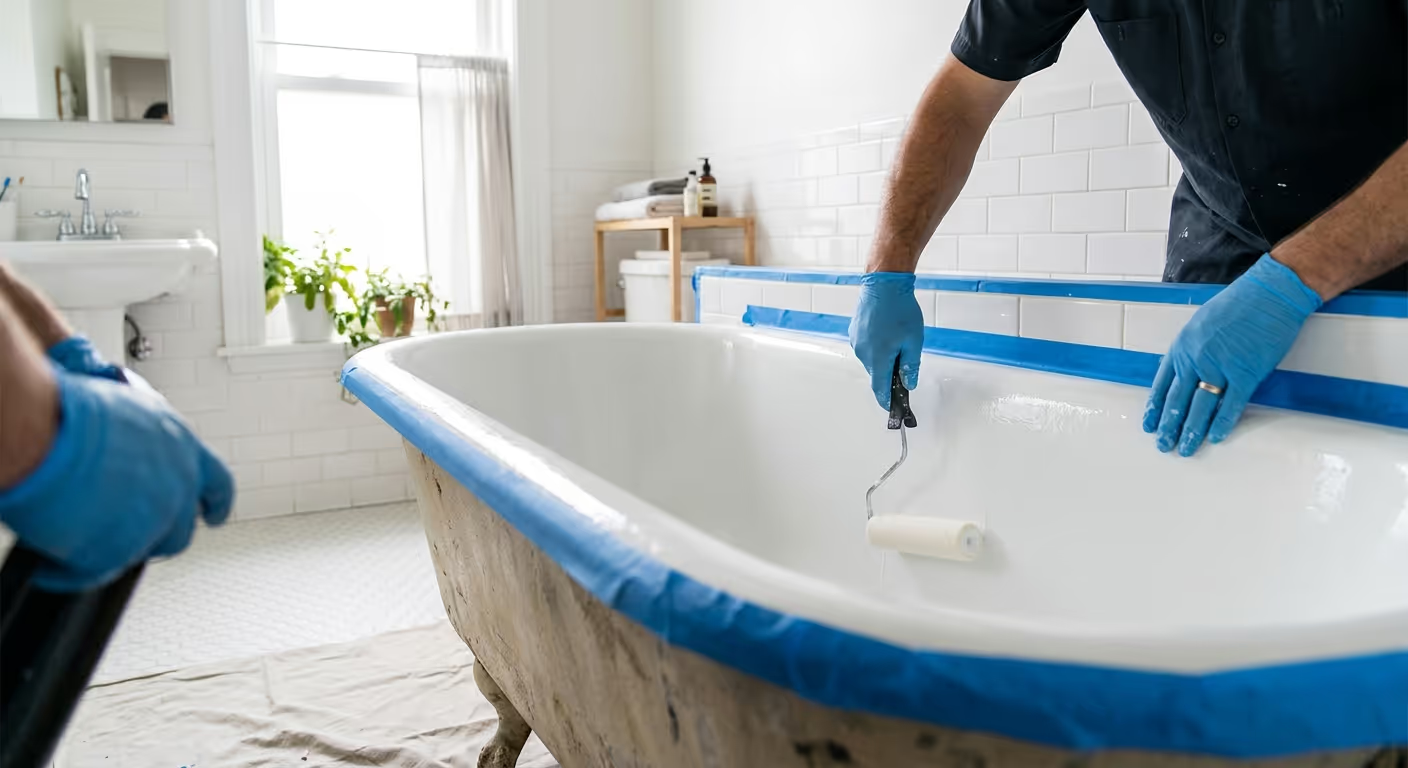
“Resurfacing”, “reglazing” and “refinishing” all describe the same idea: applying a new coating over the existing bath rather than replacing the shell. Done professionally, the process is methodical, and — like painting tiles — the result lives or dies on preparation:
- Clean and strip — every trace of soap scum, oil, and old sealant is removed so the coating can bond.
- Etch the surface — the original glaze is acid-etched or sanded so the new coating has something to grip.
- Repair defects — chips, cracks and rust spots are filled and sanded flush before any coating goes on.
- Prime — a bonding primer is applied; this coat does most of the adhesion work.
- Spray the topcoat — several thin coats of a two-part epoxy, polyurethane or acrylic enamel are spray-applied for a smooth, glossy finish.
- Cure — the bath must stay bone-dry and out of use for one to several days while the coating hardens.
DIY reglazing kits exist and cost a fraction of a professional job, but they rely on brush or roller application, cure less durably, and involve strong fumes — proper ventilation and masking are essential. The professional result looks better and lasts longer, but neither approach changes what’s underneath the coating.
Chip Repairs & Minor Spot Fixes
Not every tired bath needs a full resurface. If the shell is otherwise sound and the damage is cosmetic, a localised repair may be all it takes:
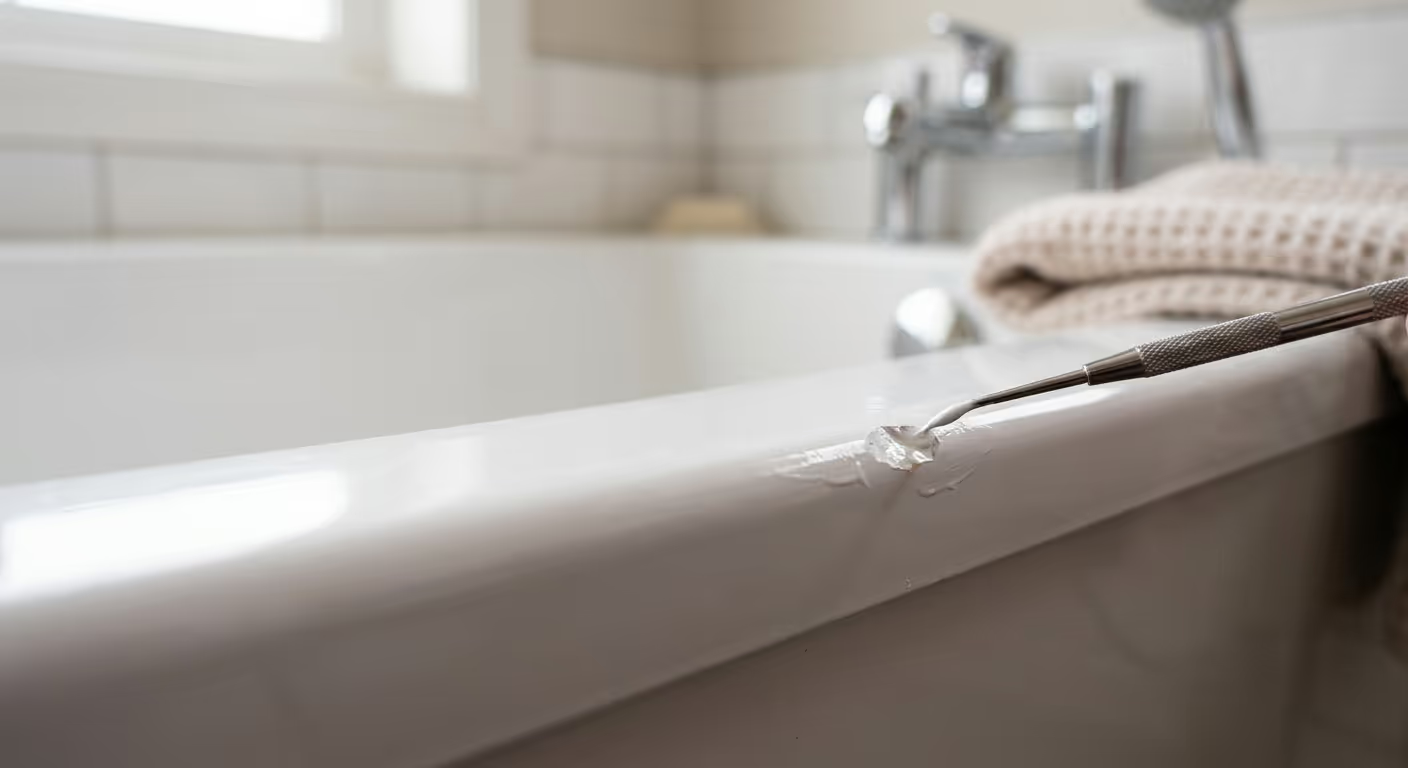
- Chip repair — a small chip on the rim or base can be filled with an epoxy or polyester filler, sanded flush, and colour-matched to blend in.
- Hairline cracks — surface crazing in the glaze can sometimes be filled and sealed, though a crack that goes through the shell is a different, more serious problem.
- Rust spots — on older steel or cast-iron baths, exposed metal can rust; the spot is sanded back, treated, filled and sealed.
Spot fixes are the least disruptive and cheapest option, and for a single chip they make good sense. The catch is colour-matching: a patched repair on a white bath is often invisible, but on a coloured or aged bath it can be hard to hide. If you’re facing damage in several places at once, a full resurface usually gives a more even result than a patchwork of repairs.
Where Bath Restoration Holds Up — and Where It Fails
Restoration performs best on a structurally sound bath with cosmetic problems — a good-quality acrylic, steel or cast-iron tub that’s simply worn, stained or dated. In that situation a professional resurface can buy several years of fresh-looking service.
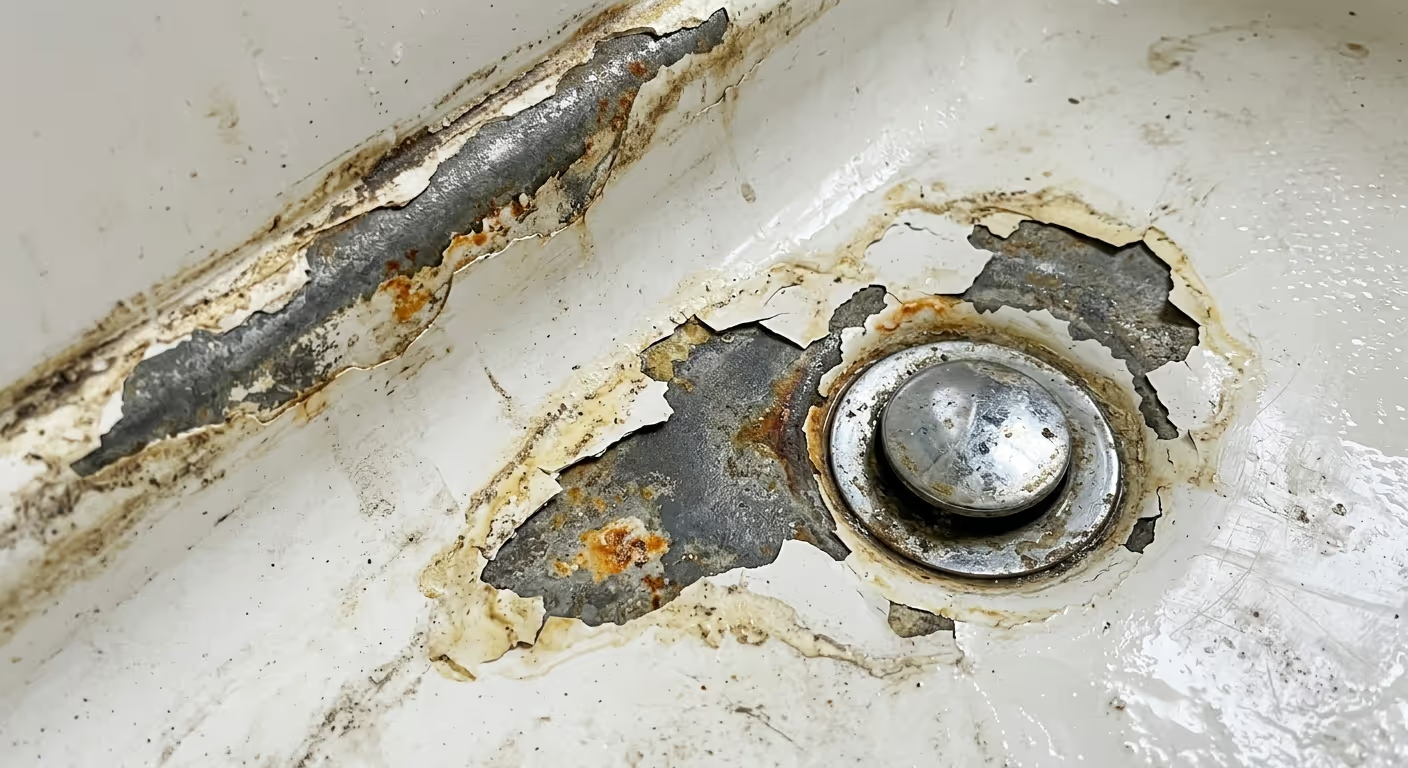
The trouble is that a coating is only ever a surface. It can’t undo the things that most often send a bath to the skip:
- A cracked or flexing shell — thin, brittle acrylic baths that flex underfoot will crack a new coating just as they cracked the old surface.
- Failed waterproofing — if water is getting behind or beneath the bath, resurfacing hides nothing structural; the waterproofing still needs to be addressed properly.
- Wear at high-contact points — coatings tend to dull, discolour and peel first around the drain, the base and the edges where feet, water and cleaning chemicals concentrate.
The Illawarra’s humid, salt-laden coastal air only accelerates that wear. And a resurfaced coating needs gentler care than original porcelain enamel — no abrasive cleaners, no bath mats with suction cups, and prompt attention to any chip before moisture creeps underneath. Restoration is a genuine option, but it’s a cosmetic reprieve with an expiry date, not a permanent fix.
Getting the Most From a Restored Bath
If your bath is structurally sound and the problems are cosmetic, restoration can be a sensible, lower-waste way to get a fresh-looking tub without tearing the bathroom apart. A restored finish needs gentler care than the original enamel, so to make it last:
- Clean gently — use only non-abrasive, pH-neutral cleaners; scouring pads and harsh chemicals will dull and lift the coating.
- Skip suction-cup mats — they can pull at a fresh coating and leave marks; choose a non-suction bath mat instead.
- Fix chips promptly — attend to any new chip quickly so moisture can’t creep underneath and spread the damage.
- Ventilate well — good bathroom ventilation helps the humid, salty Illawarra air work with your finish rather than against it.
Treated kindly, a good resurface can keep a bath looking its best for years. And if it turns out the bath is cracked, flexing or simply beyond saving, buying a new one is the alternative — our Wollongong showroom carries a wide range of new baths if you decide to go that way. Either path, the goal is the same: a bath you’re happy to look at and use every day.